Flexible Spaces: Designing for Work, Play, and Family
Welcome to the era of flexibility. In recent years, the traditional concept of a home or office space has evolved to cater to the changing needs of individuals and families. No longer are we confined to rigid, single-purpose rooms. Instead, we are seeing a rise in the popularity of flexible spaces that can adapt to our ever-changing lifestyles. This shift has led to a new trend in interior design – one that focuses on creating spaces that can function for work, play, and family.
What are Flexible Spaces?
Flexible spaces are multi-functional areas that can be easily transformed to serve different purposes. These spaces acknowledge the fact that our daily routines and needs are not limited to just one activity or role. They are designed to be versatile and adaptable, allowing us to seamlessly transition from work to play to family time within the same space.
Designing for Work
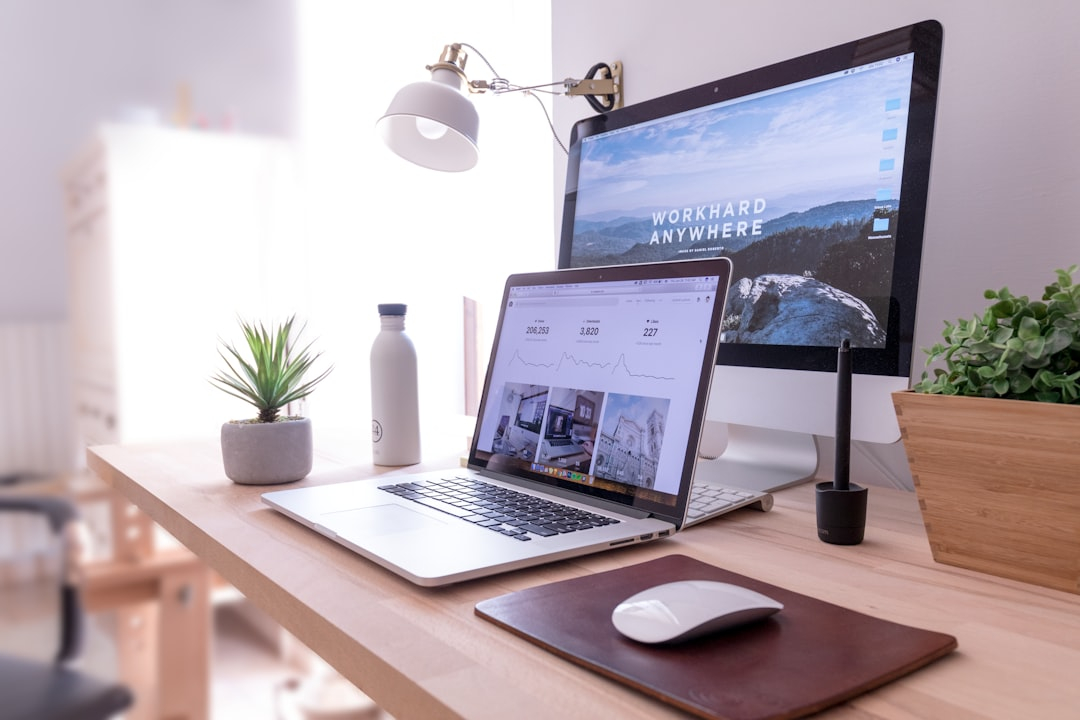
In today’s fast-paced world, the lines between work and personal life are becoming increasingly blurred. As a result, more and more individuals are opting to work from home. With the rise of remote work and freelancing, it has become essential to have a designated work area that is conducive to productivity.
Flexible spaces for work often incorporate a mix of open and closed areas. This allows for privacy when needed, but also encourages collaboration and communication. The use of modular furniture and storage solutions ensures that the space can easily accommodate different work setups, whether it’s a standing desk for a virtual meeting or a cozy corner for creative brainstorming. Additionally, incorporating natural light and greenery can help boost productivity and make the space feel more inviting.
Designing for Play
We all need a break from work once in a while, and that’s where the play aspect of flexible spaces comes in. These spaces are designed to encourage relaxation, leisure, and creative expression. They often include elements like board games, books, musical instruments, or a comfortable seating area for movie nights. The key to designing a successful play space is to incorporate elements that reflect your interests and hobbies, making it a personalized and inviting area.
Designing for Family
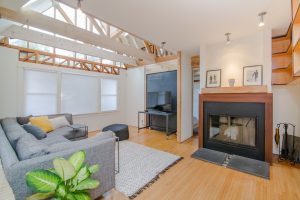
The concept of a traditional family room has also evolved with the emergence of flexible spaces. Today, families are looking for areas that can accommodate all members and their diverse needs. A flexible family space may include a play area for children, a cozy reading nook for parents, and a workstation for teenagers. The key is to create a comfortable and welcoming space that can cater to a variety of activities and ages.
The Benefits of Flexible Spaces
The advantages of flexible spaces go beyond just catering to our different needs and lifestyles. They also offer various practical benefits, such as cost-saving, space-saving, and sustainability. With a flexible space, there is no need to have multiple rooms for different purposes, reducing the number of furniture and materials needed. This not only saves money but also promotes a more sustainable approach to interior design.
Another benefit is the versatility and adaptability of these spaces. As our needs and routines change, so can the design and functionality of the space. This eliminates the need for major renovations or room additions, making it a more practical and long-term design solution.
In Conclusion
Flexible spaces are paving the way for a new era of interior design. They offer a practical and adaptable solution to our ever-changing needs and lifestyles. By incorporating elements that cater to work, play, and family, these spaces promote a more efficient, sustainable, and personalized way of living.