How Retailers Are Designing Energy-Efficient Stores
As climate change continues to be a pressing issue, more and more businesses are taking steps to reduce their carbon footprint. In the retail industry, where energy consumption is a major contributor to greenhouse gas emissions, designing energy-efficient stores has become a top priority. From big-box retailers to small mom-and-pop shops, the push for sustainability has led to innovative designs that not only benefit the environment but also the bottom line. Let’s take a closer look at how retailers are incorporating energy efficiency into their store designs.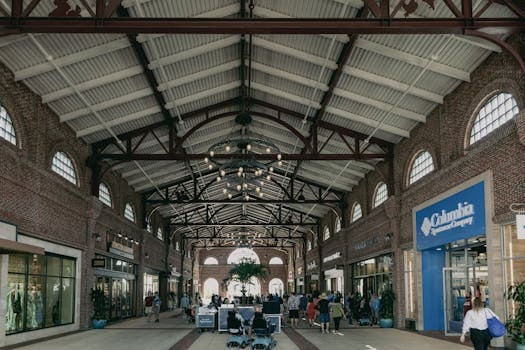
The Rise of Sustainable Retail
With the rise of eco-conscious consumers, retailers are under pressure to not only offer sustainable products but also create sustainable shopping experiences. According to a survey by Accenture, 83% of consumers are more likely to purchase from a company that is committed to reducing its environmental impact. This has led many retailers to rethink their store designs and operations to align with consumer values. One of the key ways they are doing this is by focusing on energy efficiency.
The Business Benefits of Energy Efficiency
Apart from the obvious environmental benefits, designing energy-efficient stores also has financial benefits for retailers. By reducing energy consumption, retailers can see a significant reduction in their energy bills. This is especially important for brick-and-mortar stores, where energy usage can account for a large portion of operating costs. Additionally, energy-efficient stores can also improve brand image and attract eco-conscious customers, resulting in increased sales.
Designing with the Environment in Mind
When it comes to designing energy-efficient stores, retailers are taking a holistic approach. From the exterior design to the smallest details inside the store, every aspect is being carefully considered to minimize energy consumption. Here are some key features that retailers are incorporating into their store designs:
Building Materials
Green building materials, such as sustainably sourced wood, recycled materials, and low-VOC paint, are being used to reduce the environmental impact of store construction. Additionally, many retailers are also opting for energy-efficient building materials like insulated steel panels, which can help regulate the store’s temperature and reduce energy needed for heating and cooling.
Lighting
Energy-efficient lighting is one of the most impactful changes retailers can make to their store designs. By incorporating LED lighting, which uses significantly less energy than traditional bulbs, retailers can reduce their energy consumption by up to 80%. Many retailers are also using natural light through skylights and large windows to reduce the need for artificial lighting during the day.
Heating, Ventilation, and Air Conditioning (HVAC) Systems
HVAC systems are responsible for a large portion of a store’s energy consumption. Retailers are now using advanced technologies like zonal temperature control and sensors to regulate the temperature in different areas of the store. This not only reduces energy usage but also creates a more comfortable shopping experience for customers.
Case Study: Uniqlo’s Energy-Efficient Store Design
Japanese clothing retailer Uniqlo is a great example of how retailers are incorporating energy efficiency into their store designs. The company’s flagship store in Tokyo uses solar panels to generate electricity, LED lighting, and heat-insulating upcycled denim materials for its interior design. This has resulted in a 90% reduction in energy usage compared to their previous store design, saving the company millions in energy costs.
Conclusion
As consumers continue to demand more sustainable options, the pressure is on for retailers to step up and reduce their environmental impact. By designing energy-efficient stores, retailers can not only contribute to a greener future but also improve their bottom line. With innovative designs and the use of sustainable materials and technologies, retailers are proving that it is possible to be environmentally responsible while still being profitable. As the saying goes, “going green is good for business”.